Monica1988
New member
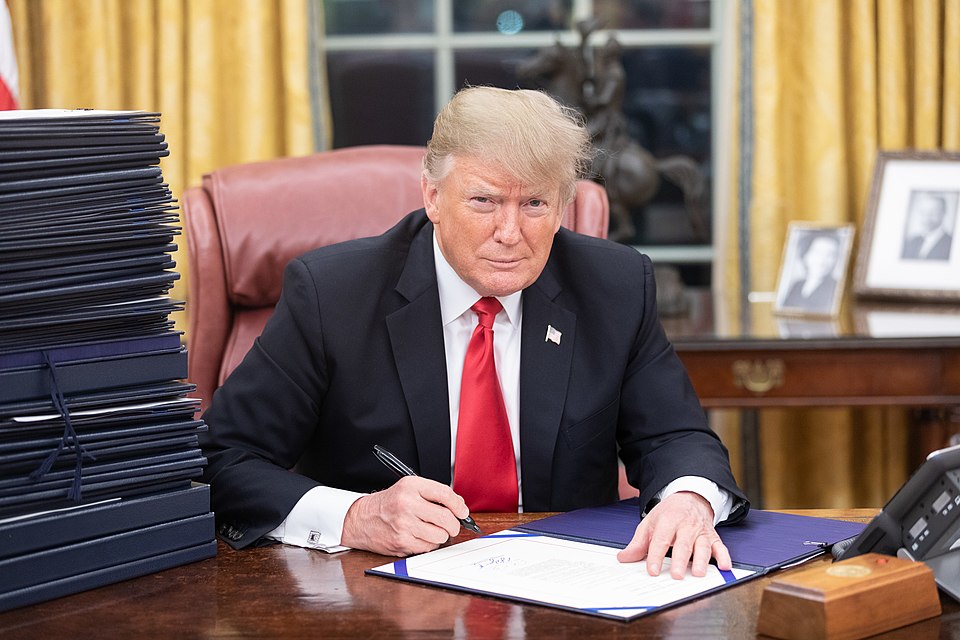
During a press exchange that quickly circulated online, Trump appeared visibly irritated when pressed about ongoing legal matters tied to investigations and civil cases that have followed him since leaving office. Rather than offering a direct explanation, he pivoted toward familiar talking points about political bias, media hostility, and what he describes as a “rigged system.” Supporters in attendance applauded, but commentators across major networks said the moment highlighted a pattern: when confronted with precise legal questions, he frequently reframes the discussion rather than answering it.
Political analysts note that this communication style has long been part of Trump’s public persona. Throughout his business career, presidency, and post-White House period, he has relied on deflection, counter-accusation, and humor to steer conversations. While this approach energizes his base and dominates headlines, legal experts warn it can create the impression that he is avoiding specifics—especially when the topic involves court proceedings or sworn testimony.
Figures from both the Republican Party and Democratic Party have weighed in. Some Republicans defend him, arguing that hostile questioning justifies a confrontational tone. Democrats, meanwhile, say such exchanges raise concerns about transparency and accountability, particularly for someone seeking public office again.
Media coverage has amplified the moment, with commentators debating whether Trump’s rhetorical style is politically effective or legally risky. On social media platforms—including his own company, Truth Social—supporters framed the interaction as proof he refuses to be cornered by what they see as unfair questioning. Critics, however, portrayed it as a sign he struggled to respond when pressed for detail.
The incident adds to a growing list of headline-grabbing appearances since Trump left Mar-a-Lago to resume a more active campaign schedule. Each public exchange now carries heightened significance, not only because of his status as a former president but also because of the legal and political stakes surrounding his future.
Whether moments like this ultimately help or hurt him remains uncertain. Trump has repeatedly demonstrated an unusual ability to turn controversy into momentum, yet public opinion polling suggests that perceptions of credibility and composure still matter to many voters. For now, one thing is clear: every unscripted question he faces has the potential to become a viral flashpoint—and a test of how he navigates scrutiny under pressure.
Last edited by a moderator: